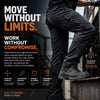
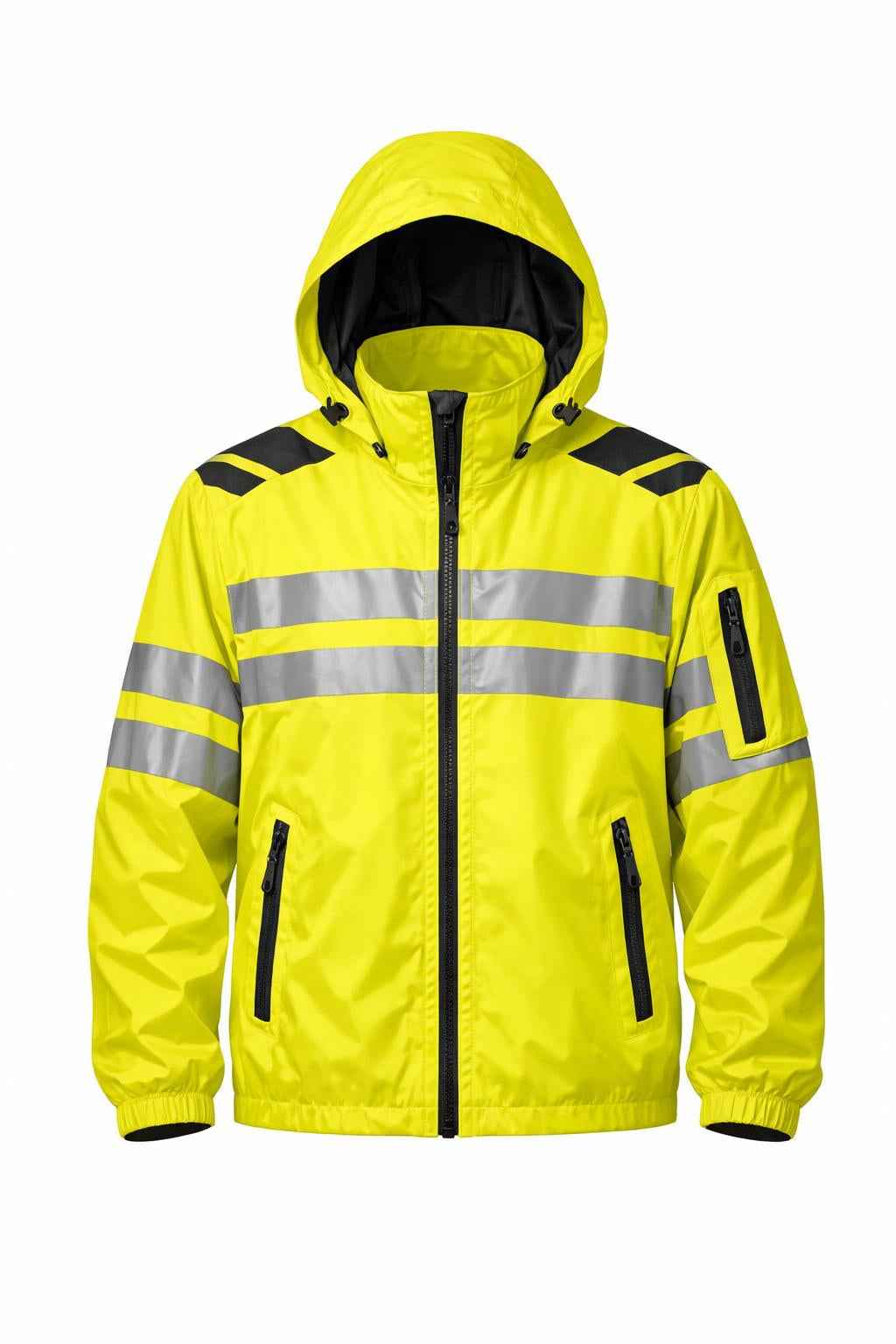
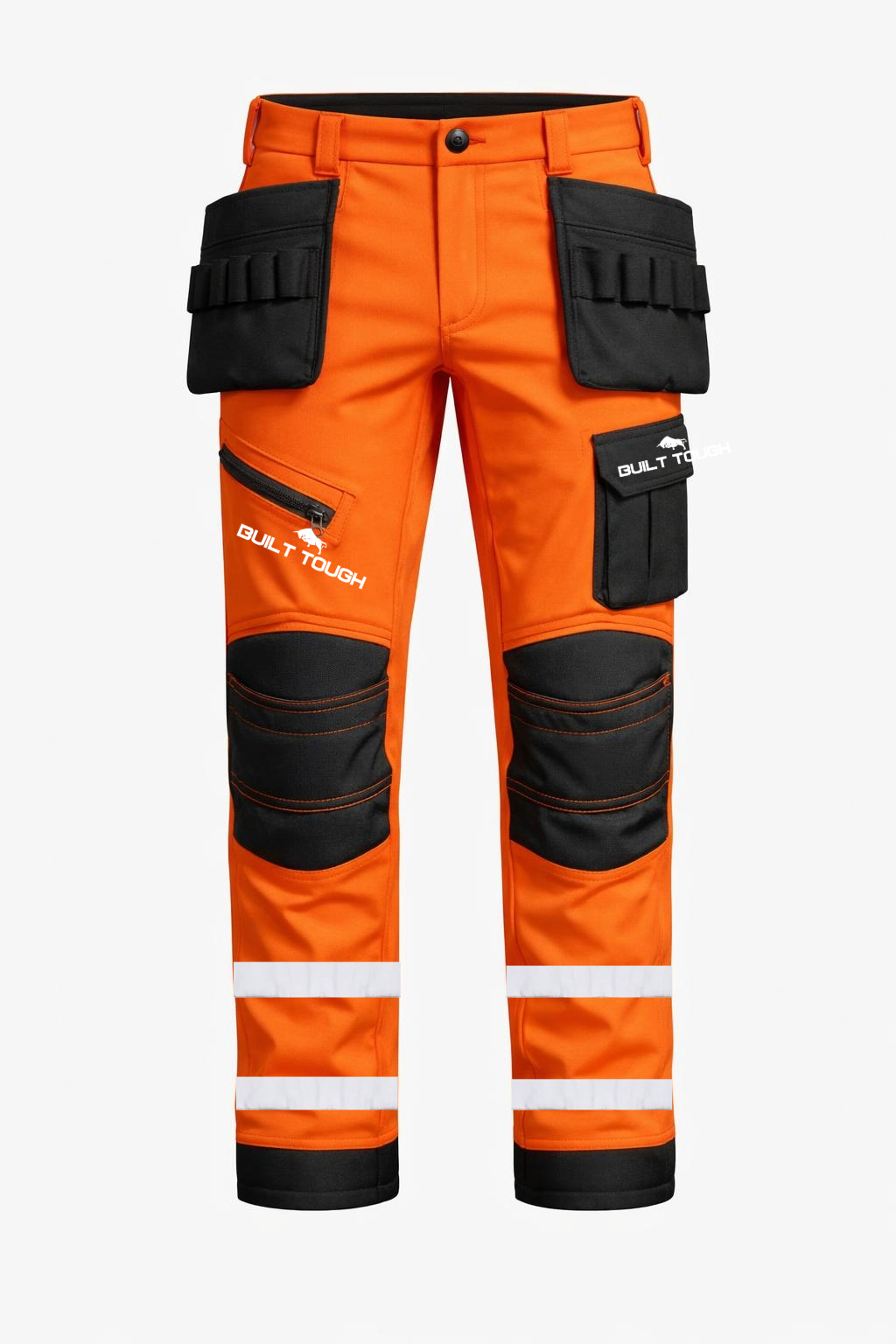



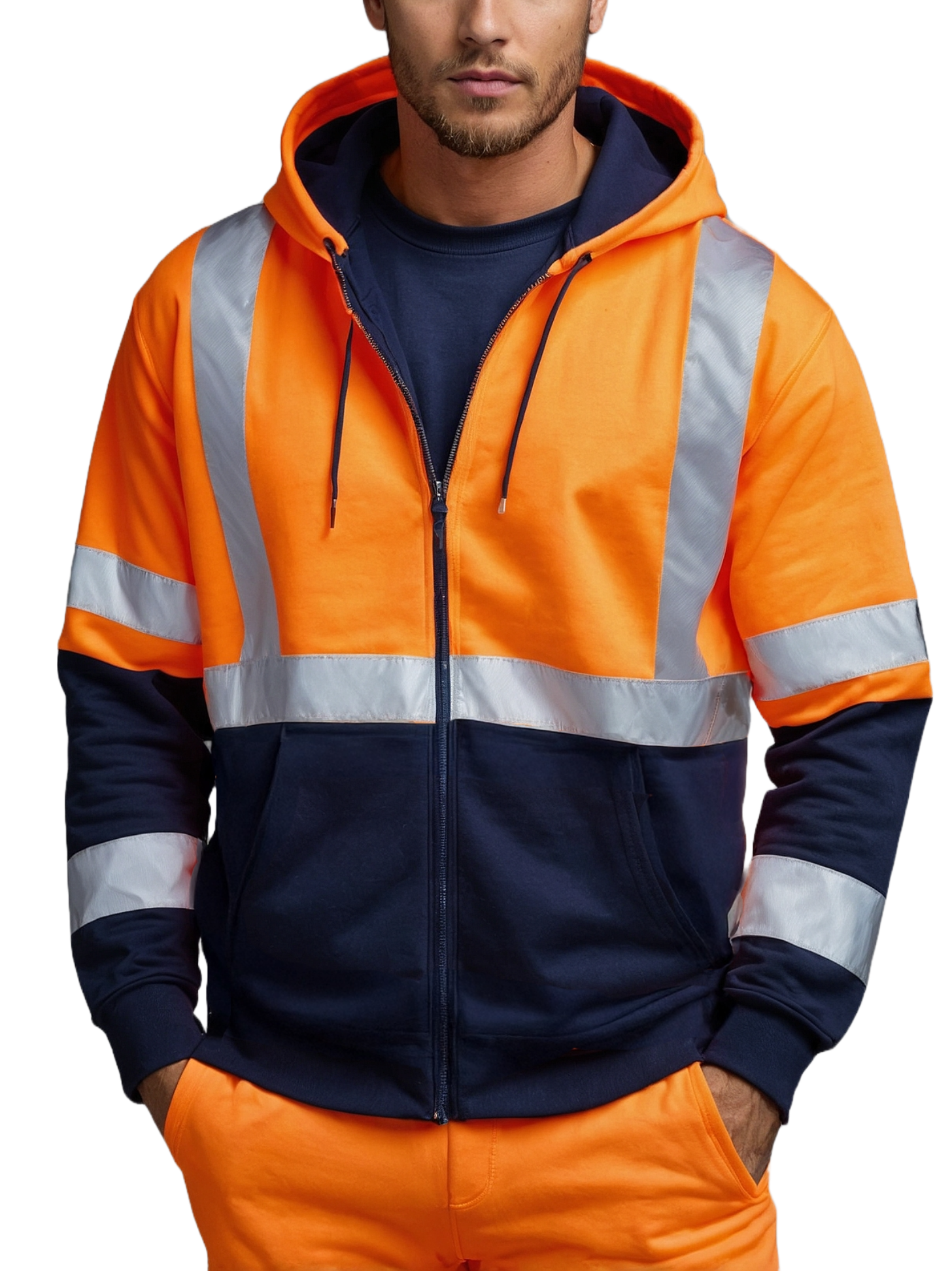
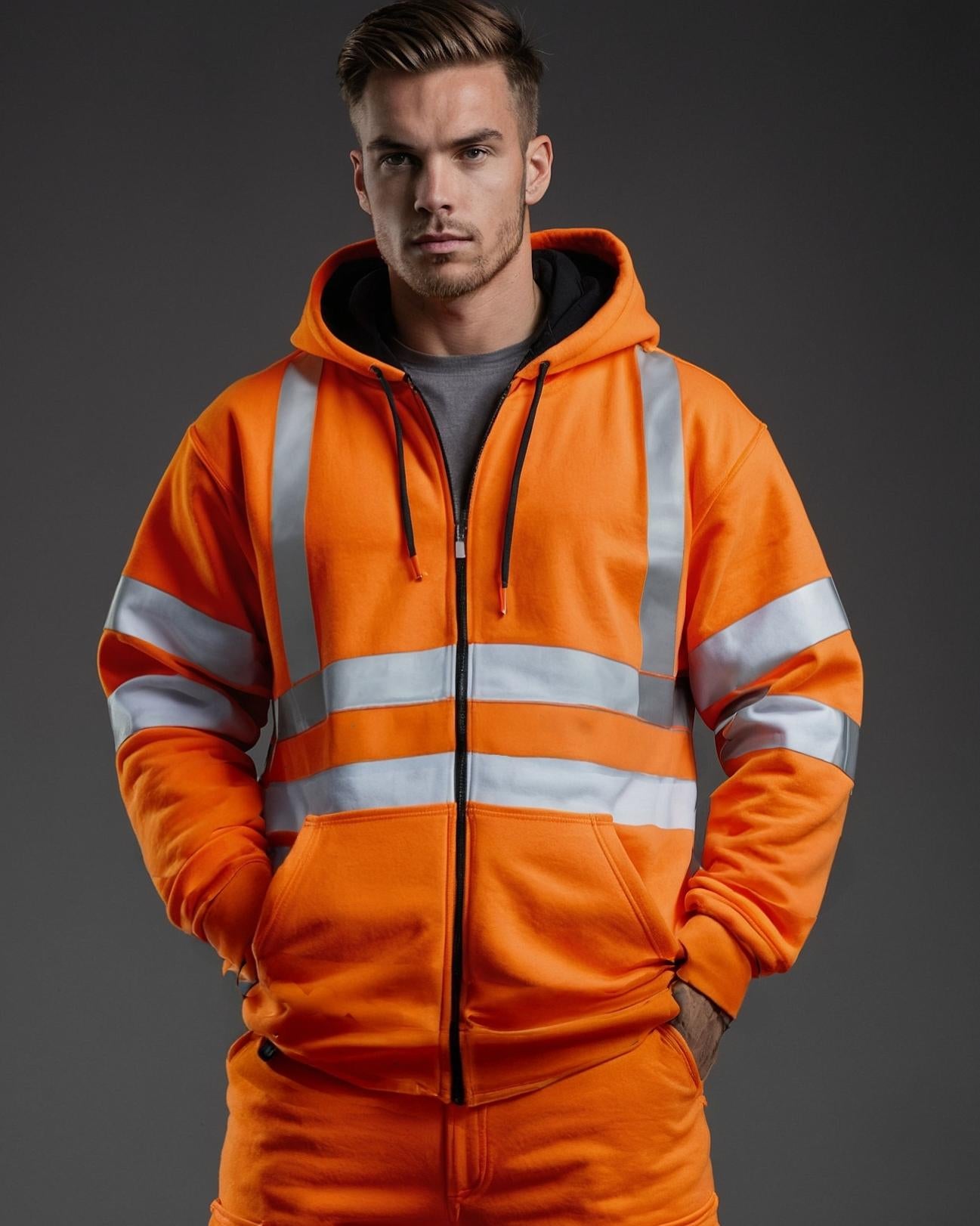


Regular Fit vs Slim Fit Hi‑Vis Joggers: Feel, Performance and Look Compared
Hi‑vis joggers sit in an interesting middle ground: they borrow comfort cues from sporty athletic wear (elasticated ribbed waists, stretch fabrics, cuffed ankles, tracksuit details) but at the end of the day they’re still workplace PPE when they’re certified to a visibility standard. That makes the “regular vs slim” fit decision more than an aesthetic preference.
For instance, fit changes how people move, possible snag issues, bend and the functional aspect and does the fit offer utility at workplace, and (crucially) whether the garment properly offers the level of high visibility and durability for an entire shift.
Gen Z almost look to prefer the slim styles because they can relate to the streetwear tracksuit style fits that they grew up in. We look at how the work crowd seems to be going for a slimmer fit, but can aesthetic get in the way of high levels of safety compliance.
Lets see how regular fit hi‑vis joggers and slim fit hi‑vis joggers through the lenses that matter the most on site: standards/compliance, visibility in motion, mobility, durability, and practicality.
1) The important bit: what hi‑vis joggers are actually for?
The baseline purpose of certified high‑visibility clothing is not “looking bright and trendy”; it’s conspicuity—helping vehicles and plant operators detect a worker in varied lighting, including under headlights at night.
ISO’s own abstract for ISO 20471 (the international standard behind EN ISO 20471) describes hi‑vis clothing as intended to “visually signal” the user’s presence and provide conspicuity “in any light condition” including “under illumination of headlights in the dark,” with performance requirements for colour, retroreflection, minimum material areas, and placement.
That’s why, before debating fit, you always want to confirm:
Are the joggers certified (e.g., EN ISO 20471 / ISO 20471 or ANSI/ISEA 107, depending on region), and do they meet the class your risk assessment/site rules require (Class 1/2/3 or equivalent).
Fit decisions come after that.
2) Regular fit vs slim fit: what these terms usually mean in work joggers
There’s no single universal cut, but in hi‑vis joggers the attributes normally look like this:
Regular fit hi‑vis joggers
- More room through seat, thigh, and calf
- Often easier to layer (thermals underneath)
- More visibility due to having more material
- Mostly have elasticated ankles (none ribbed)
Slim fit hi‑vis joggers
- Narrower through thigh and especially calf
- Often explicitly “tapered” or “next‑to‑skin” style
- Typically paired with 4 way stretch fabric
3) Compliance and visibility: fit doesn’t replace certification, but it can affect performance
A slim fit jogger is not automatically “less compliant,” and a regular fit jogger isn’t automatically “more safe.” Compliance is essentially about the garment meeting the standard.
Hi‑vis joggers rely heavily on certified reflectors which are tested separately as part of EN ISO and the luminance of the material.
Slimmer legs tend to reduce excess fabric and can help bands stay flatter—but only if the garment isn’t so tight that it rides up or becomes uncomfortable and gets worn incorrectly (rolled waist, cuffs pulled up, etc.).
3) Snagging and entanglement: slim has a real advantage in some environments
One of the most under‑discussed differences between regular and slim work trousers/joggers is catch risk.
The UK HSE’s entanglement hazards guidance explicitly lists “wearing loose clothing or trailing drawstrings” can be hazardous for the operator around machinery.
The author has more than 35 years of experience in the textiles and garment manufacturing industry.