



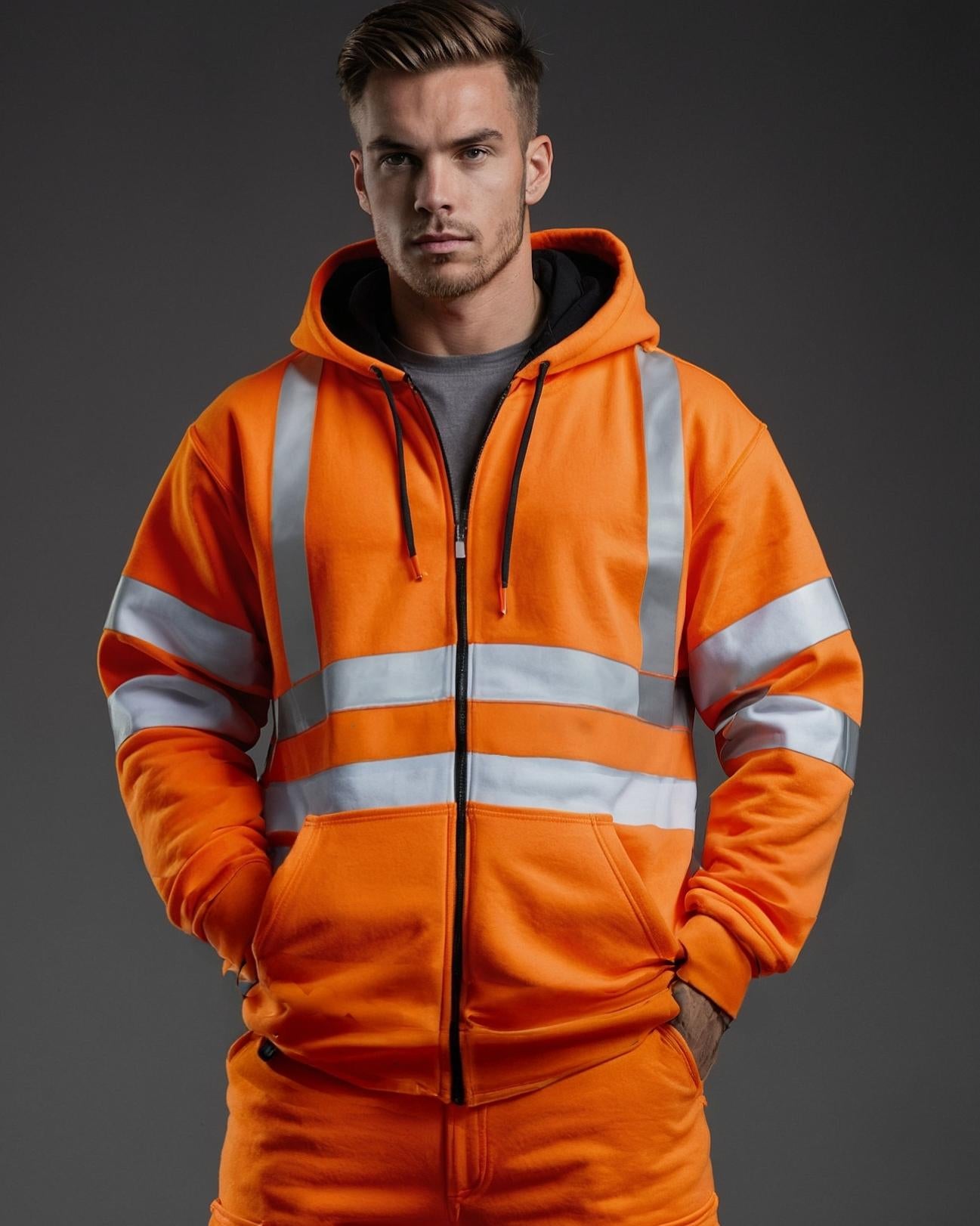


Hi-Viz-Trousers
Hi-Vis Trousers: Key facts you should know
Hi-vis trousers are among the most recognisable pieces of modern protective clothing. Usually made in fluorescent yellow or orange and encircled by reflective bands, they are designed to make the wearer conspicuous in hazardous environments. They are worn by construction workers, railway engineers, road crews, emergency responders, warehouse staff and others whose jobs place them near traffic, machinery or poor visibility. Although their appearance is bold, their purpose is practical: helping people to be seen before an accident occurs.
Their story begins with the development of fluorescent pigments. During the 1930s, American brothers Bob and Joe Switzer experimented with materials that glowed under ultraviolet light. Their work eventually produced daylight-fluorescent colours capable of appearing unusually bright in ordinary conditions. These pigments gained military applications during the Second World War and later became widely used in advertising, traffic equipment and protective clothing. By the second half of the twentieth century, fluorescent garments were increasingly familiar sights in industrial workplaces.
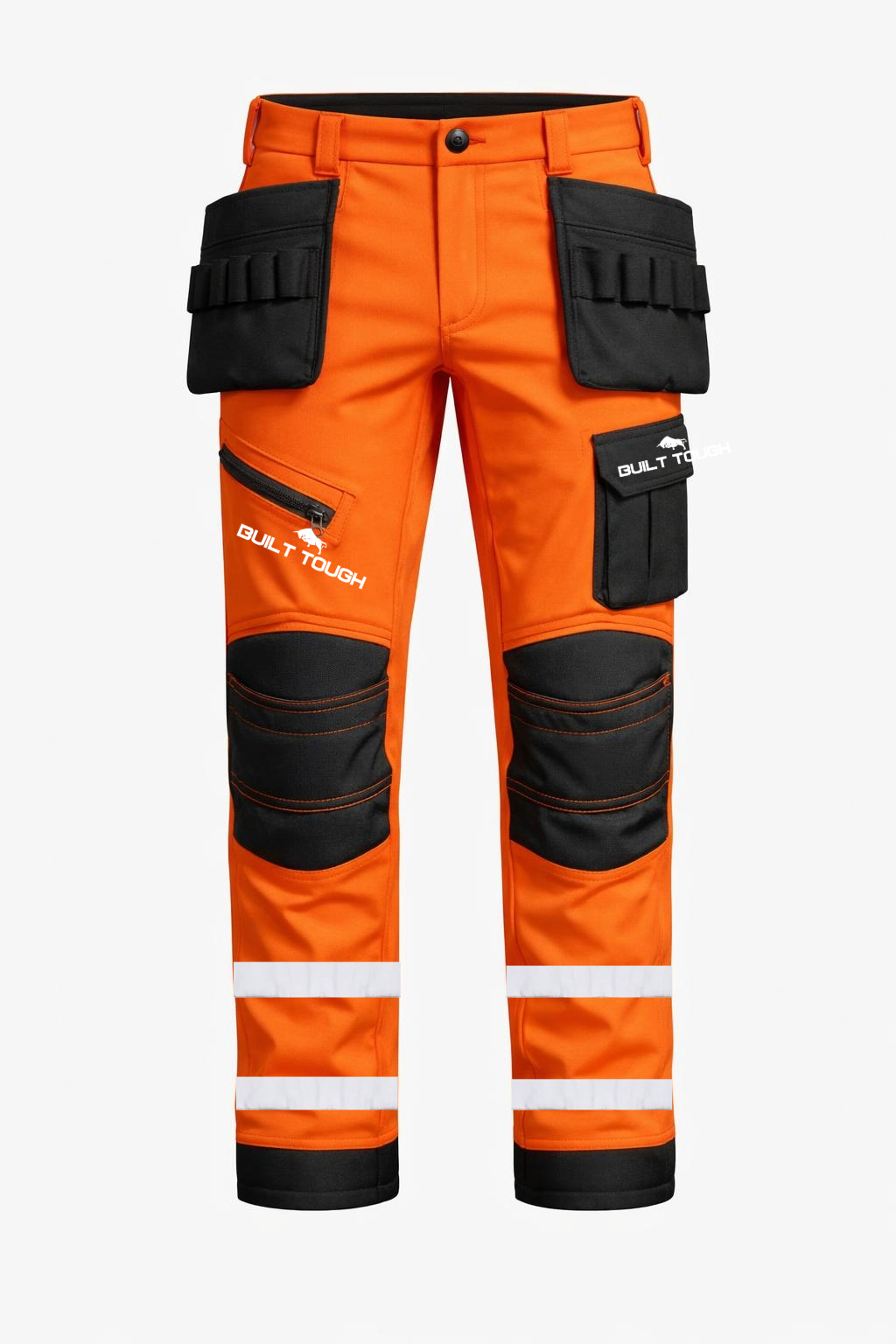
Hi-vis trousers developed as part of this growing emphasis on workplace safety. Early high-visibility clothing often took the form of jackets or waistcoats, but employers recognised that upper-body garments alone were not always sufficient. Reflective bands around the legs made a worker’s movement easier to recognise, particularly when illuminated by vehicle headlights. Because the bands moved as the wearer walked, they also helped drivers distinguish a person from a stationary sign or object.
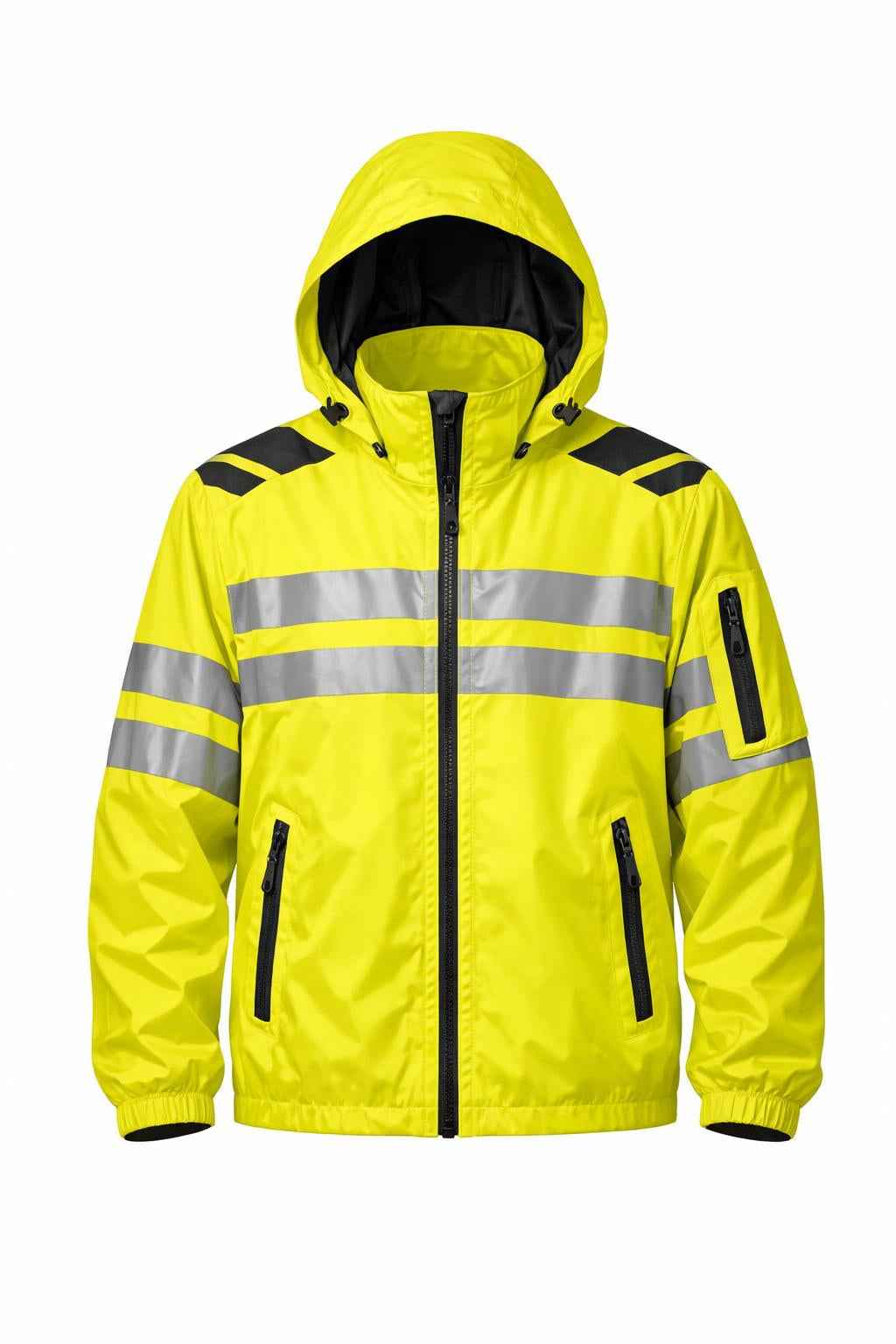
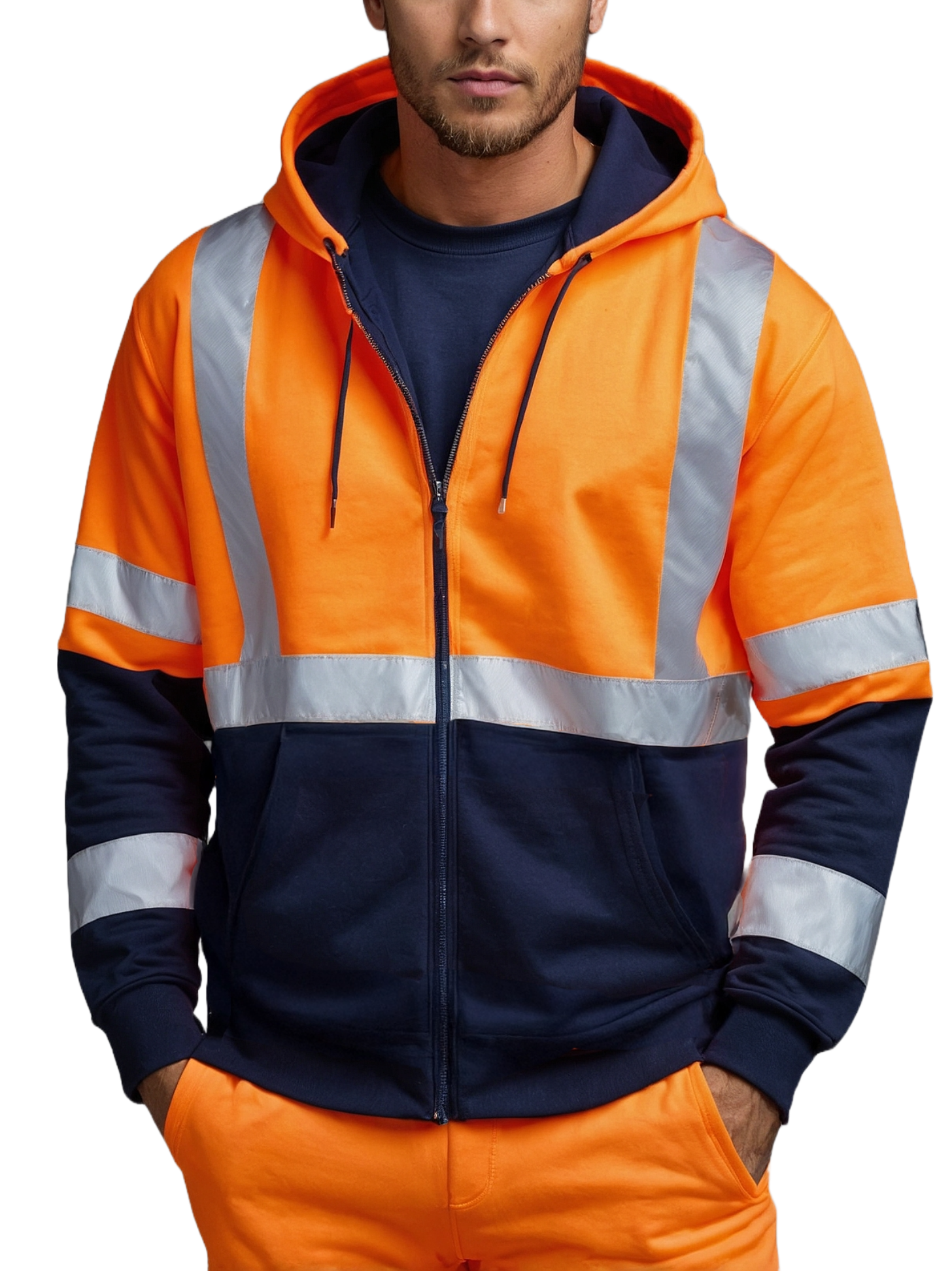
The typical pair combines two visibility technologies. Fluorescent fabric absorbs ultraviolet energy and re-emits it as visible light, making the material appear especially bright during the day. Retroreflective tape works differently, returning light towards its source and helping the wearer stand out at night. Together, these materials provide protection across changing conditions. Modern versions may also include waterproof coatings, breathable linings, reinforced knees, cargo pockets and adjustable hems. Specialist trousers can add resistance to flame, heat, chemicals or electrical hazards.
High-visibility trousers are now regulated as personal protective equipment. Standards such as ISO 20471 classify garments according to the amount and arrangement of fluorescent and reflective material they contain. The appropriate clothing depends upon the specific risk, background, weather and lighting. Britain’s Health and Safety Executive notes that workers at particular risk from moving vehicles may require full-body high-visibility clothing. A compliant label, however, does not make trousers suitable for every task; fit, condition and compatibility with other protective equipment remain essential.
Like all working garments, hi-vis trousers have a demanding life. Dirt can obscure fluorescent fabric, repeated washing can weaken reflective performance, and tears may interrupt the carefully designed bands. Proper cleaning, inspection and timely replacement are therefore part of their safety function.
Beyond the workplace, hi-vis trousers have acquired cultural meaning. Their intense colours have appeared in streetwear, festival clothing and fashion collections, transforming a symbol of manual labour into a visual statement. Yet their central identity remains unchanged. Hi-vis trousers are not designed merely to attract attention: they make the human body legible within dangerous surroundings. Their biography is ultimately one of practical innovation—a familiar garment whose brightness quietly helps protect lives.